SURGICAL SERVICES

Surgical Services

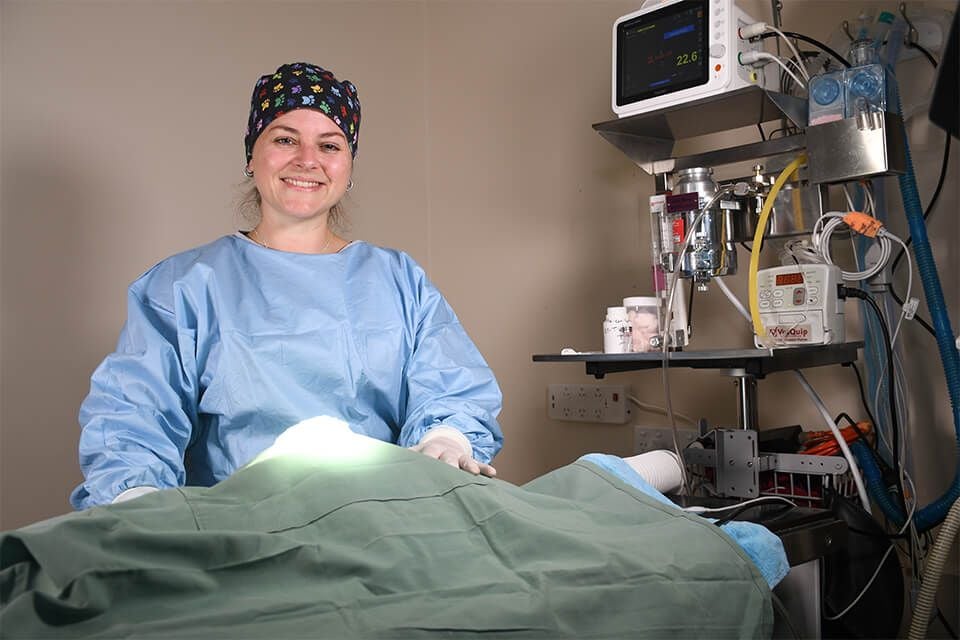
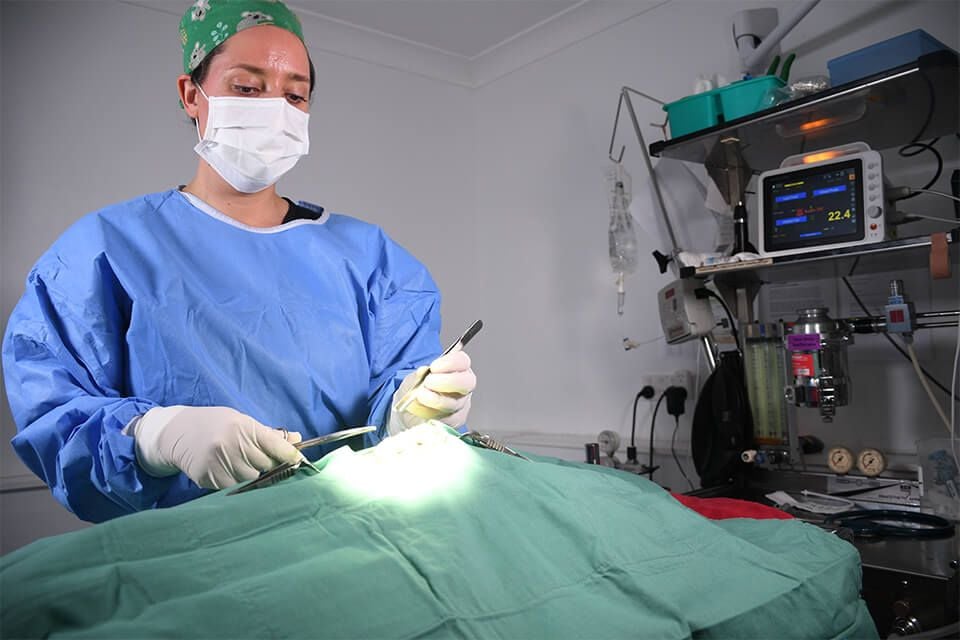
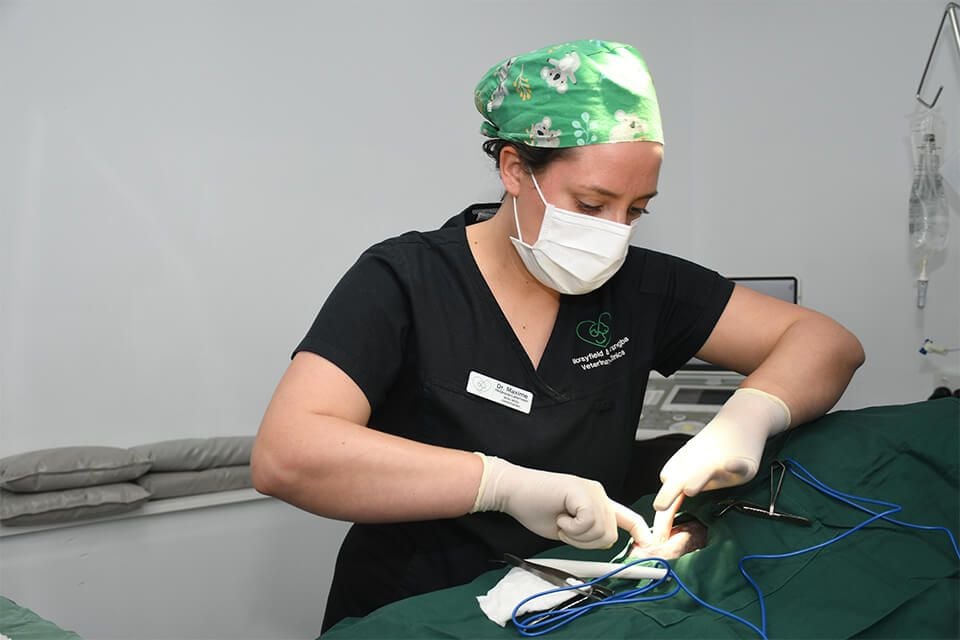
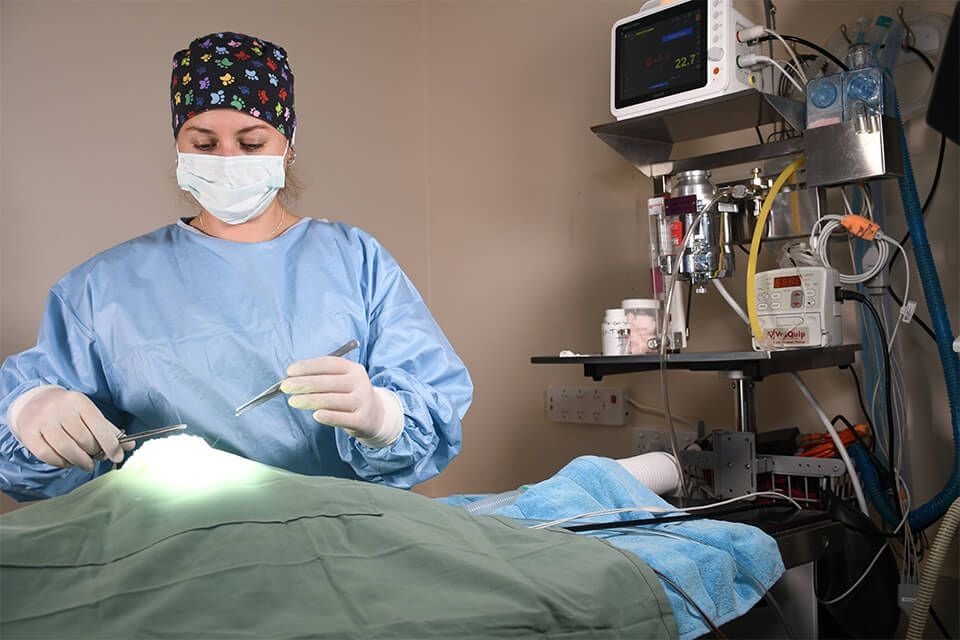
Our surgical services cover a comprehensive range of procedures. This includes: desexings,soft tissue procedures, lump removals, biopsies, wound repair, orthopedic surgeries, dental procedures, caesareans, laparotomies and exploratory surgeries. 

Every procedure begins with a consultation, where we discuss your pet’s health, the procedure, and what to expect. We conduct a pre-operative assessment and diagnostics (like blood tests) to ensure your pet is ready and fit for surgery. During the procedure, your pet is carefully monitored with protocols that prioritise safety and comfort for your pet. After surgery, we provide post-operative care instructions and support. Of course, this included pain management, wound monitoring and follow-up checks to ensure a smooth recovery.
Desexing

DESEXING

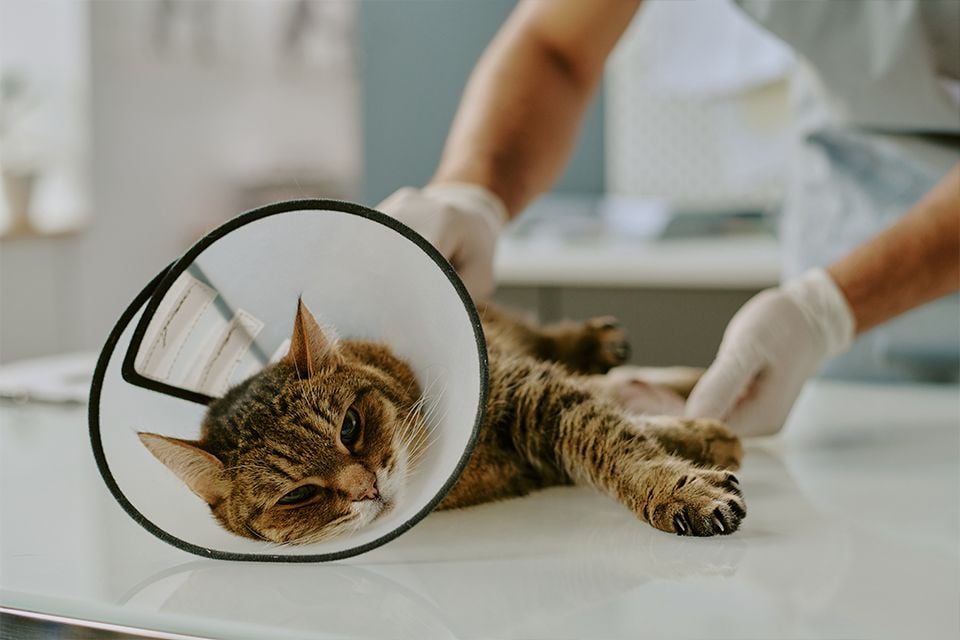
Desexing (spay and neutering) is a procedure where your vet surgically removes your pet’s reproductive organs. For male dogs and cats this involves removal of the testicles. For female pets this involves removal of the ovaries and uterus. This procedure prevents unwanted litters and will reduce the risk of certain health and behavioural issues, like infections and spraying or marking territory. For females, desexing requires an abdominal incision. For males, the incision is made in the skin near the scrotum.

FAQs Desexing
LUMP REMOVALS

LUMP REMOVALS

Lump removal is a surgical procedure to take out bumps, lumps, or masses on your pet’s body. It’s often done to relieve discomfort or to test the tissue and determine whether it’s benign or malignant. If a cancer is suspected, your vet may recommend wide margins to be taken, which means a part of the healthy tissue around the lump will be surgically removed as well as the primary tumor. Achieving wide margins and sending tissue to the lab are important steps in the diagnosis and treatment of various serious health conditions. Depending on your pet’s condition and health status, your vet may recommend blood tests and/or diagnostic imaging, along with the surgery.

FAQs Lump Removals
BIOPSIES

BIOPSIES

There are several ways to perform a biopsy. The quickest way is an FNA biopsy, a fine needle aspirate. This involves a needle being inserted and a few cells being aspirated from the lesions. These cells are transferred onto a slide to be stained and examined under the microscope. In some cases, this can be performed in the clinic, but your vet may recommend sending the samples to an external lab for reviewing by a pathologist.

Other types of biopsies involve punch- or wedge resections. For this procedure your pet will require sedation and a local- or full anaesthetic, depending on the location of the lesion. A small part of the lump or lesion will be cut and preserved, prior to sending to an external lab for histopathology. With the structure of the lesion intact, the results of excisional biopsies are generally more reliable than an FNA.  

Cytology and histopathology is highly recommended for suspected cancers and certain skin conditions, as it will help your vet create a better treatment plan for your pet.

FAQs Biopsies
SOFT TISSUE SURGERY

SOFT TISSUE SURGERY

Soft tissue surgery refers to operations on non-bone structures, such as the skin, muscles, organs, or internal tissues. Common examples include wound repairs, hernia repairs, caesarian sections and removing foreign objects. These procedures help restore your pet’s health and comfort. Depending on your pet’s condition and health status, your vet may recommend blood tests and/or diagnostic imaging, along with the surgery. Procedure time, recovery and prognosis is greatly dependent on the type of surgery your pet will undergo and your vet will instruct you on pre- and post operative care.

Visit Us at

Opening Hours